Despite being blindfolded for the duration of their captivity, the surviving victims exhibited an astonishing degree of clarity under duress, providing investigators with a staggering amount of highly specific, sensory detail about the layout, sounds, and tactile feel of the house they were held in by Mr Cruel.
Finding this location was always considered the critical key to the entire police investigation. This was true, at least, in the early 1990s, when the detention premises likely hadn't been modified to conceal its dark history. However, with time, and the acceleration of knock-downs and subdivisions, the likelihood of finding the house using contemporary photos and floor plans has been shrinking rapidly.
The police searched thousands of homes and couldn't find it.
For decades, members of the public have been searching online real estate listings and also couldn't find it.
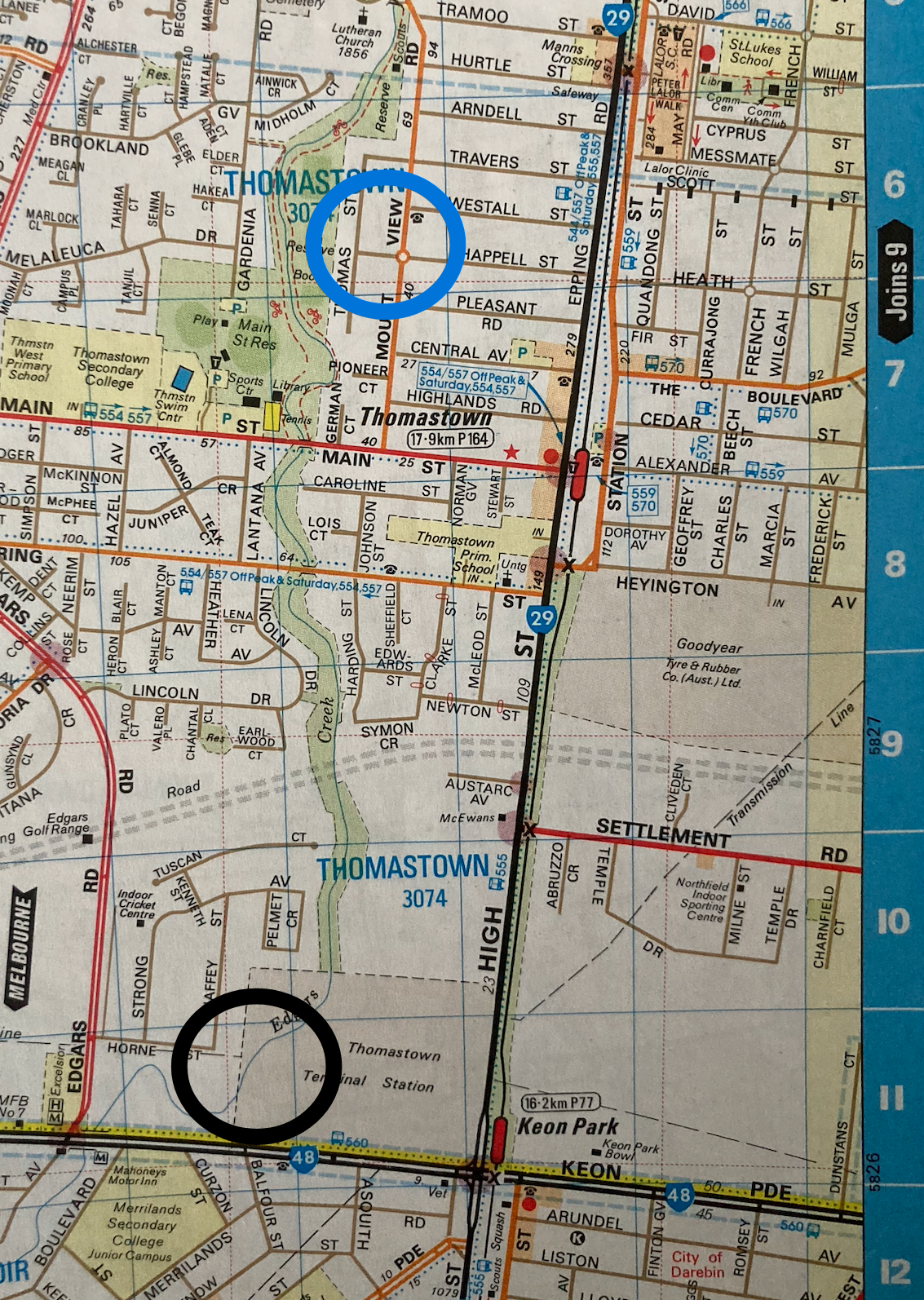
But I did find one specific property that reconciles the victims' intelligence. I had already been investigating a murdered security guard for suspicious activity, and it was through this investigation that I discovered his very unusual and unique house.
Located just a short distance from victim Karmein Chan's gravesite, the architectural and geographical features of this post-war brick veneer home align with the victims' traumatic but highly accurate memories.
The Hidden Driveway and Entry Point
The 13-year-old victim from 1990 remembered being driven forwards into a driveway and stepping out of the passenger side of the car (the left side in Australia) onto concrete. From this position, she noted she was immediately adjacent to the right side of the building, just one or two steps away from the entryway.
Police assumed she had entered through the front door from a driveway situated on the right-hand side of the house. But as the victim was blindfolded, this was not a piece of information that could have been known.
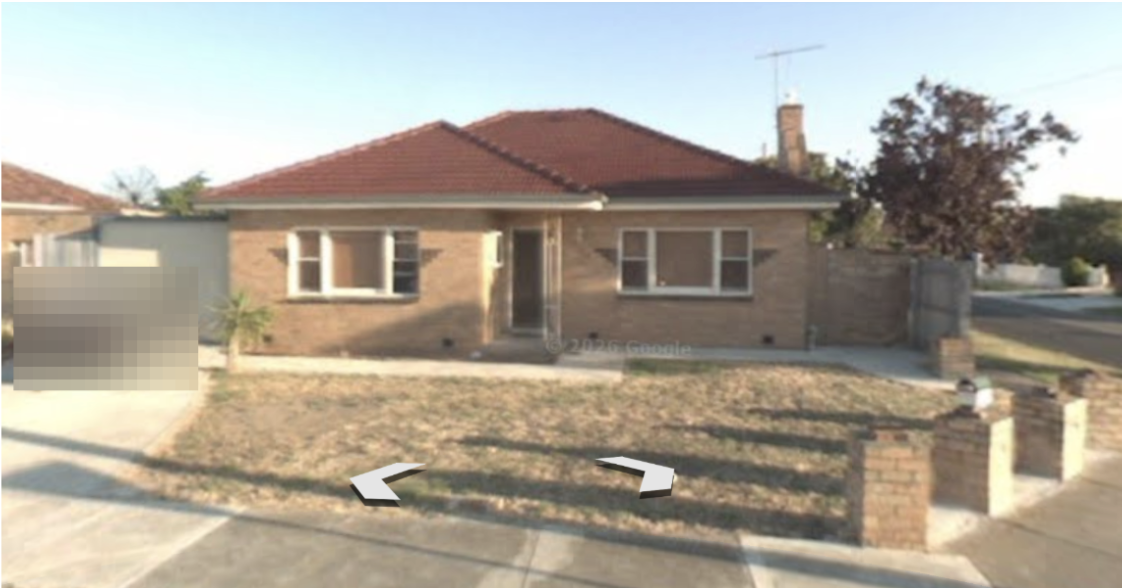
The subsequent police investigation focused on houses with a driveway on the right-hand side of the house. As 40 Chappell Street Thomastown has a driveway on its left-hand side, it would have been excluded.
But the property was on a corner block and featured a covert, secondary driveway on its side boundary. It was positioned to right of the rear of the house, creating the exact condition described by the victim.
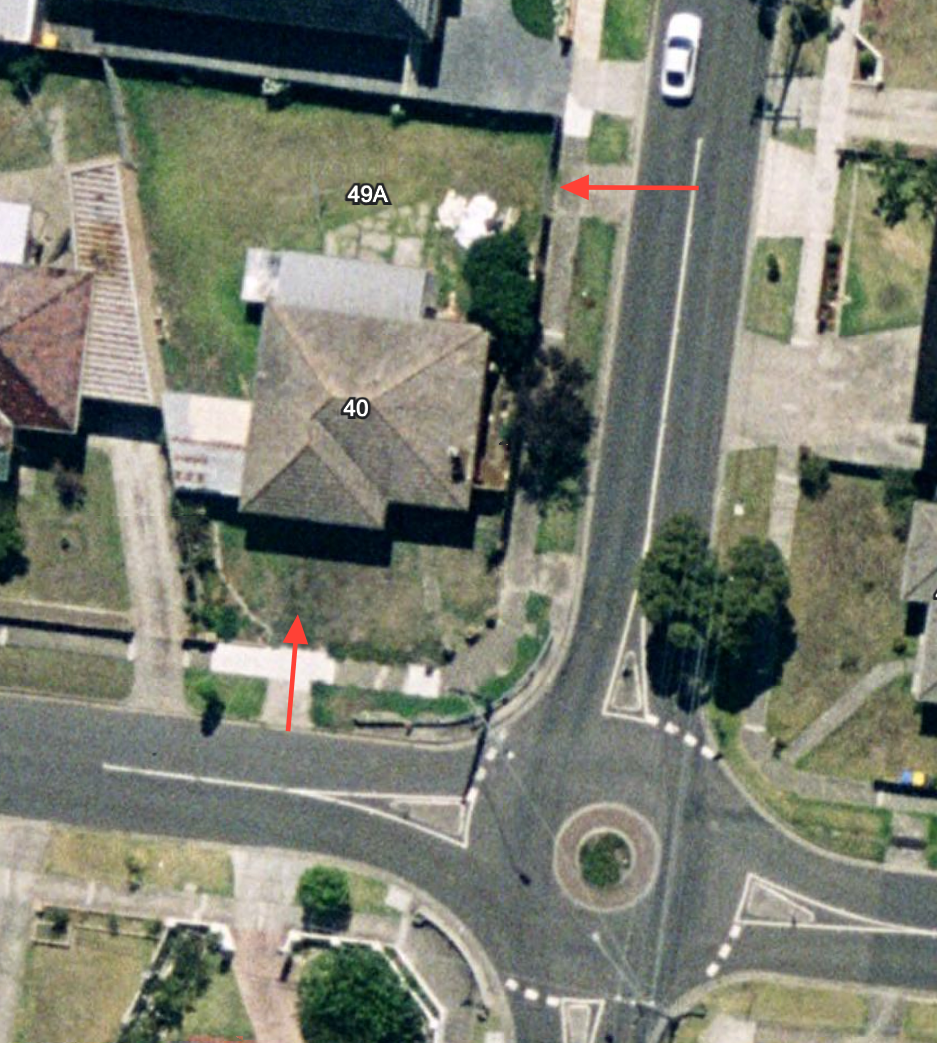
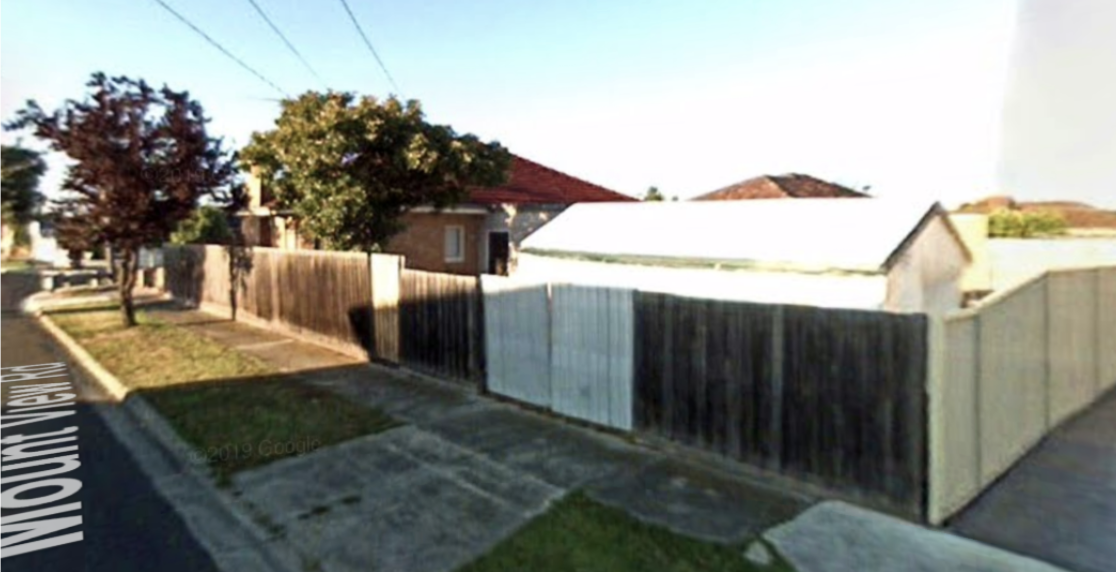
While there are no aerial photos with sufficient enough detail to show this driveway and its associated structures prior to their demolition, they are visible on some very early Streetview images.
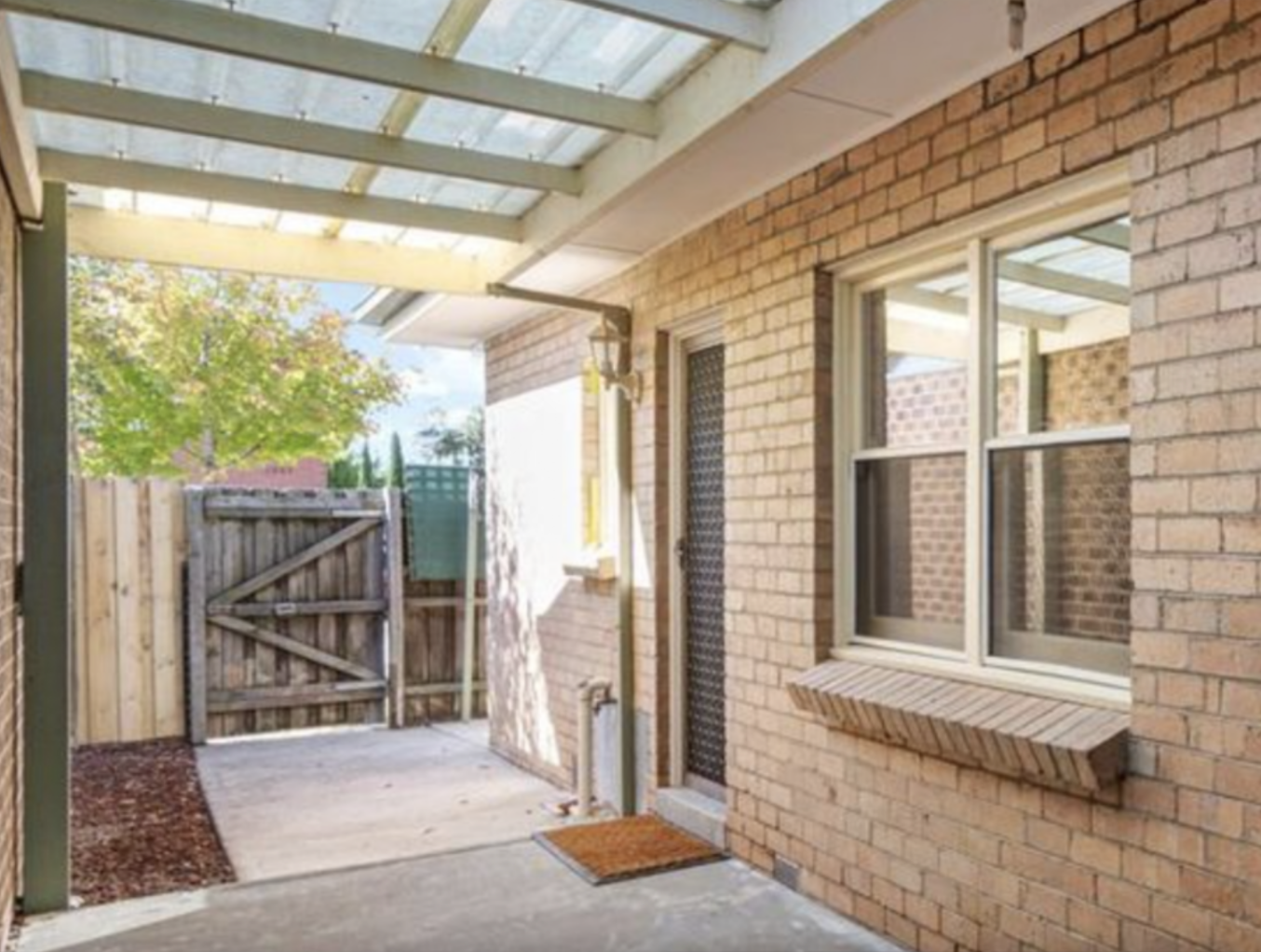
This hidden driveway on the side boundary was concealed from the street behind a timber fence and a double gate. A vehicle that pulled forward into this concealed space, positioned the passenger door exactly where the victim recalled - on the right side of the building entryway - except it was the back door and not the front.
The Shag-Carpeted "Kitchen"
Upon stepping inside, the first room the 13-year-old victim encountered was described to her (by her pathological liar kidnapper) as a kitchen. It contained a round table and chairs. Barefoot, she also noted by touch that the floor was covered in shag carpet.
This has always confused investigators because it doesn't match known architectural patterns. But in the context of 40 Chappell Street, this space was not a traditional kitchen, but rather a "sleep-out."
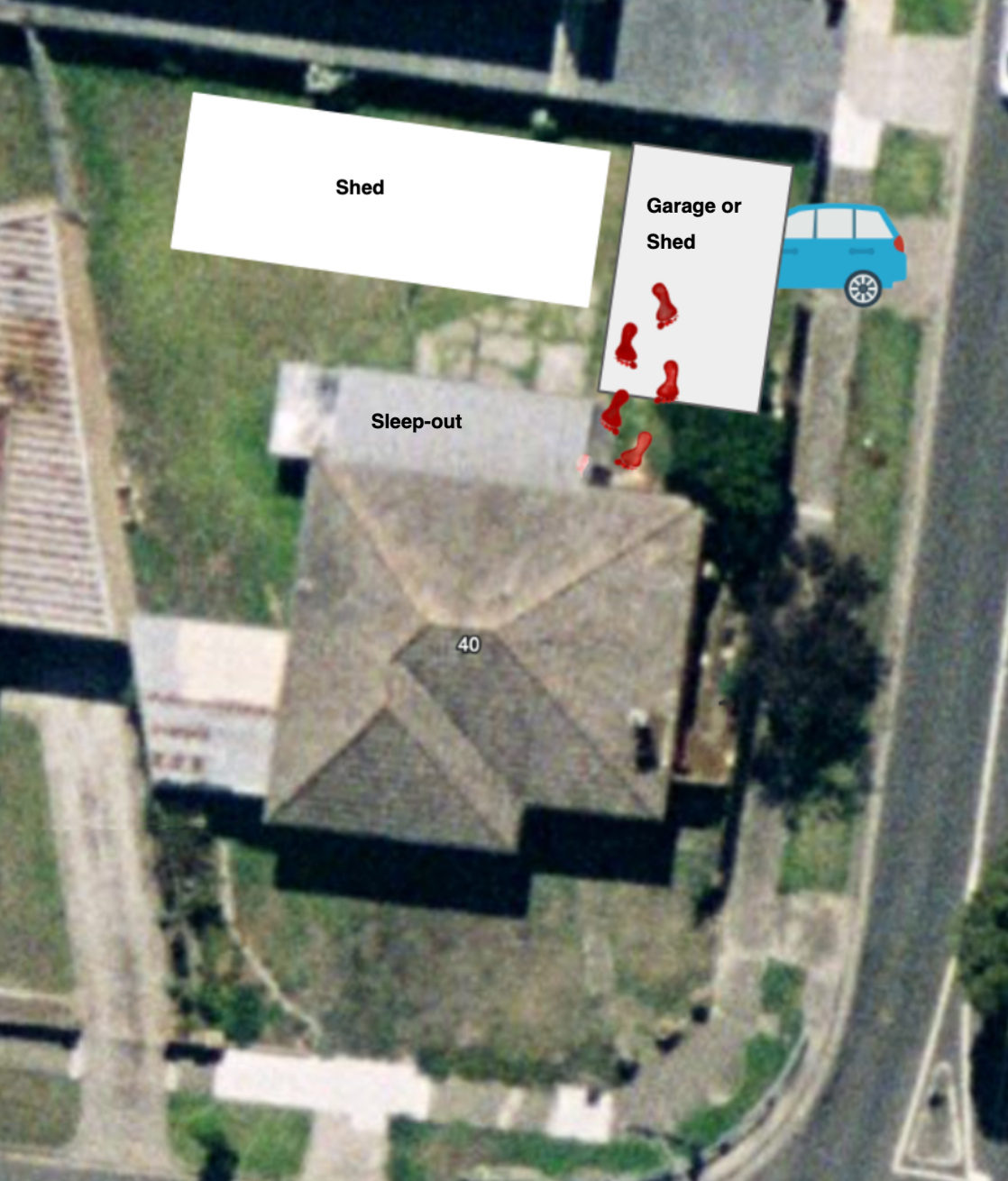
A sleep-out was a common architectural extension in 1950s and 60s volume-built homes, usually consisting of a lightweight structure added to the rear of a house to create an additional sunroom or informal living space. This perfectly explains the presence of both the direct external access from the hidden side driveway and the shag carpet, which would be entirely out of place in a standard post-war kitchen, but perfectly normal for a converted living area.
The Internal Chamber and the Absence of Birdsong
One of the most peculiar sensory details reported by the 13-year-old victim was the loud silence. She never heard any neighbours, cars, trucks, laughing children or construction sounds. She couldn't even hear any birdsong, which is completely abnormal for suburban Melbourne.
Police were always baffled by this observation, yet 40 Chappell Street explains it.
The sleep-out extension was not positioned where it should have been. They're always built up against blank external walls, or they enclose doors and windows of common spaces only. Like a kitchen window, or the laundry.
But in this case it was built around the exterior window of the home's third bedroom. By enclosing this window, the third bedroom was transformed into a completely internal, windowless brick chamber. This violation of building standards effectively soundproofed the room from external noises. And I dare say also blocked internal noises - like the sound of a screaming child - from being heard by concerned neighbours.
The Flight Path Acoustic Pattern
The location of the Thomastown house also aligns perfectly with the acoustic footprint of local air traffic. While chained to the bed, the 13-year-old victim timestamped aircraft flying overhead, noting they approached from her right, made a 90-degree turn, and descended in altitude in the direction from her head toward her toes. This distinct auditory sequence perfectly matches the acoustic pattern generated by planes utilising the secondary east-west runway at Melbourne Airport. Thomastown is situated directly beneath the specific flight path that produces this exact sequence of directional jet noise during a plane's descent and approach from the north.
But it only works if the victim heard these sounds in a position where her head was facing east, and her feet pointing west towards the airport. This means the airplane noises approaching on her right, were coming from the north.
From the bedroom sketch generated from the intelligence collected from the 10-year-old victim in 1988, we know that there was a window to their right-hand side.
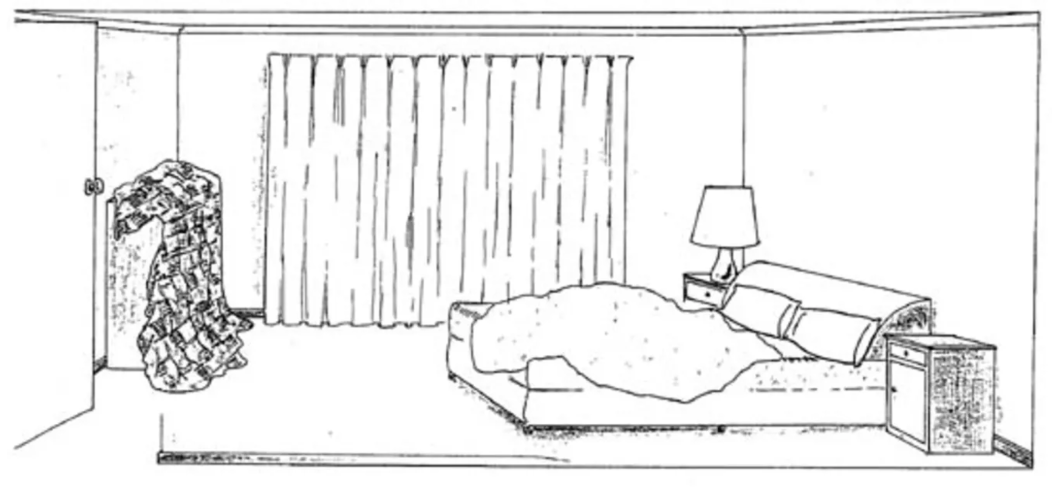
That means we are looking for a bedroom with a north-facing window.
And the window in this 3rd bedroom of 40 Chappell Street faces north.
For 35 years, the public have been unsuccessfully searching for a house that matches the victims' descriptions.
This is the closest we're ever been. The strange observations made by the victims are explained by this particular house, or there is a plausible reason for why it doesn't quite reconcile.
Note: There are additional features that strengthen the case that are not covered in the summary articles. Please subscribe if you wish to read more in-depth explanations.