
Much of the public discourse surrounding Victoria's cold cases suffers from a form of analytical siloing. Commentators typically look for Mr Cruel's identity strictly among known sex offenders, while a different group of people search for the Tynong North serial killer among other known murderers or suspects previously identified by police. People have ended up locked in different lanes and relying entirely on established, legacy data.
However, as these cases cross the 40-to-50-year mark, those original files and police comments that are relied on must be viewed for what they are: meticulous records of what has not helped to find the offenders.
To break this deadlock, my methodology shifts the focus away from old case notes and onto the physical infrastructure surrounding the crime scenes - an environmental factor investigators never addressed. Through this lens, I have identified a clear, common denominator that has gone entirely unnoticed in 50 years of analysis.
Seeking these hidden intersections is a standard historical and investigative technique, not a fringe theory. After all, one of the primary ways investigators link crimes to a common offender is by comparing recurring patterns. The more unusual and unique a repeating behavior is, the more certain we can be that those crimes were committed by the exact same hand.
Ted Bundy posed his victims' bodies in sexually provocative ways. Gary Ridgway, the Green River Killer, left strange items on their bodies, like fish, and wine bottles. Then there was Joseph DeAngelo, the Golden State Killer, the man the FBI once thought might have been Mr Cruel. He would turn on the TV in his victims' homes and drape a towel over the screen to create subtle mood lighting.
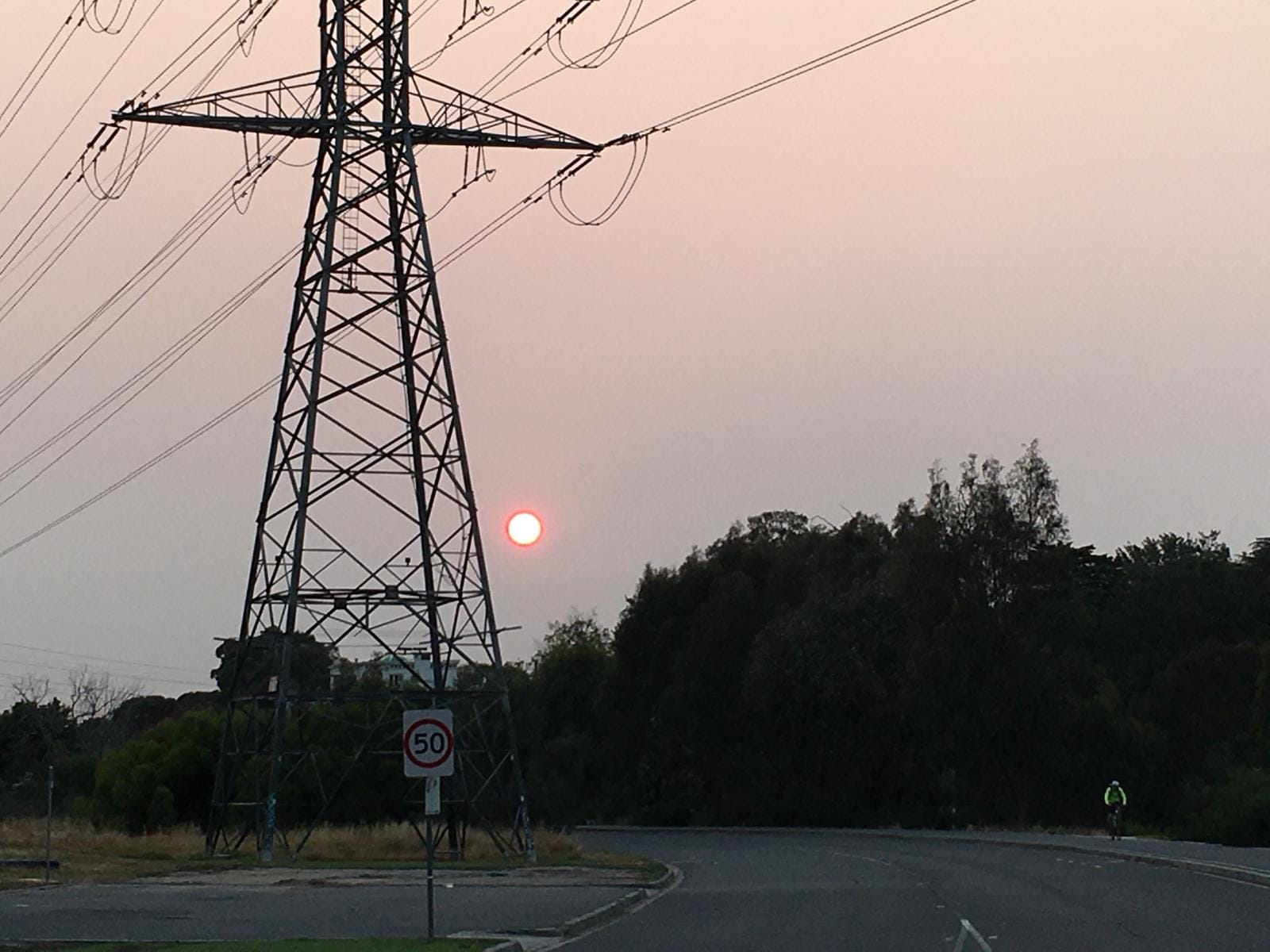
Mr Cruel’s vice was high-voltage electricity. He liked things that hummed. Nearly every one of his attack locations, and all of his victim release and disposal sites, were associated with high-voltage power. But he wasn’t the only serial offender with this strange attraction.
Just like he shared the use of the unusual word "anon" with the still-unidentified Tynong North serial killer, the latter also selected areas of criminal operation within Melbourne and Victoria that hummed. Nearly every one of the Tynong North serial killer's attack locations, and all of his victim disposal sites, were also associated with high-voltage power.
Modus Operandi vs. The Compulsive Signature
Thanks to television, most people are familiar with the term Modus Operandi, or MO, but very few people have a good handle on what this actually is and how it relates to serial offending. Historically, neither did the police. The term translates from Latin as the "mode of operation." In criminological terms, an MO encompasses two different layers: the core objective of the offender, and the procedural component they use to execute the crime.
There is a pervasive belief that an offender’s MO is largely static. That makes for great TV, but the better offenders adapt to increase their success and to avoid capture. A sophisticated serial offender will constantly alter their procedural methods to suit the situation, mitigate risks, and adapt to police countermeasures as they gain experience.
When we look at the crimes of Mr Cruel in Melbourne between 1985 and 1991, we see a highly fluid and dynamic procedural MO. His bag of tricks he could pull from was deep.
A signature is entirely different. A signature is a behavioural pattern driven by a deep-seated emotional, psychological, or paraphilic need, unique to an offender’s personal fantasies. It is a dark, compulsive ritual that the offender must act out for the crime to feel psychologically complete.
Signatures are not functionally necessary to complete an offence. They do not help a killer abduct their victim, they do not help them commit an assault, and they certainly do not help them evade police. In fact, engaging in signature behaviours often requires an offender to spend significantly more time at a crime scene or influences them to make poor choices, both of which drastically increase the risk of capture.
If you want to track a sophisticated and successful serial offender over a 20-year period, you cannot track their procedural MO, because it will have changed a dozen times. But you can track their signature, if they left one. Both Mr Cruel and the Tynong North serial killer did - and they left the exact same rare signature. And the police completely missed it.
Mr Cruel’s Kryptonite: The High Voltage Power Fetish
A geographical analysis of Mr Cruel’s crimes reveals a highly unusual obsession with the electrical grid and its infrastructure. High-voltage power transmission infrastructure is not scattered evenly throughout Greater Melbourne. It moves via massive power lines in defined corridors, supported by a series of metal towers positioned in the same easement. Their locations are strategic, designed to minimise impact on private property by cutting paths through government-owned land, alongside rivers, creeks, highways, and railway lines. Consequently, the vast majority of the population does not live near this infrastructure.
Yet, all four of Mr Cruel’s established crimes are directly associated with high-voltage power.
Lower Plenty, August 1987
The initial established attack occurred in Lower Plenty, a leafy suburb sitting halfway between the Templestowe and Thomastown Terminal Stations, where massive transmission lines cut directly through the treetops.
Ringwood, December 1988
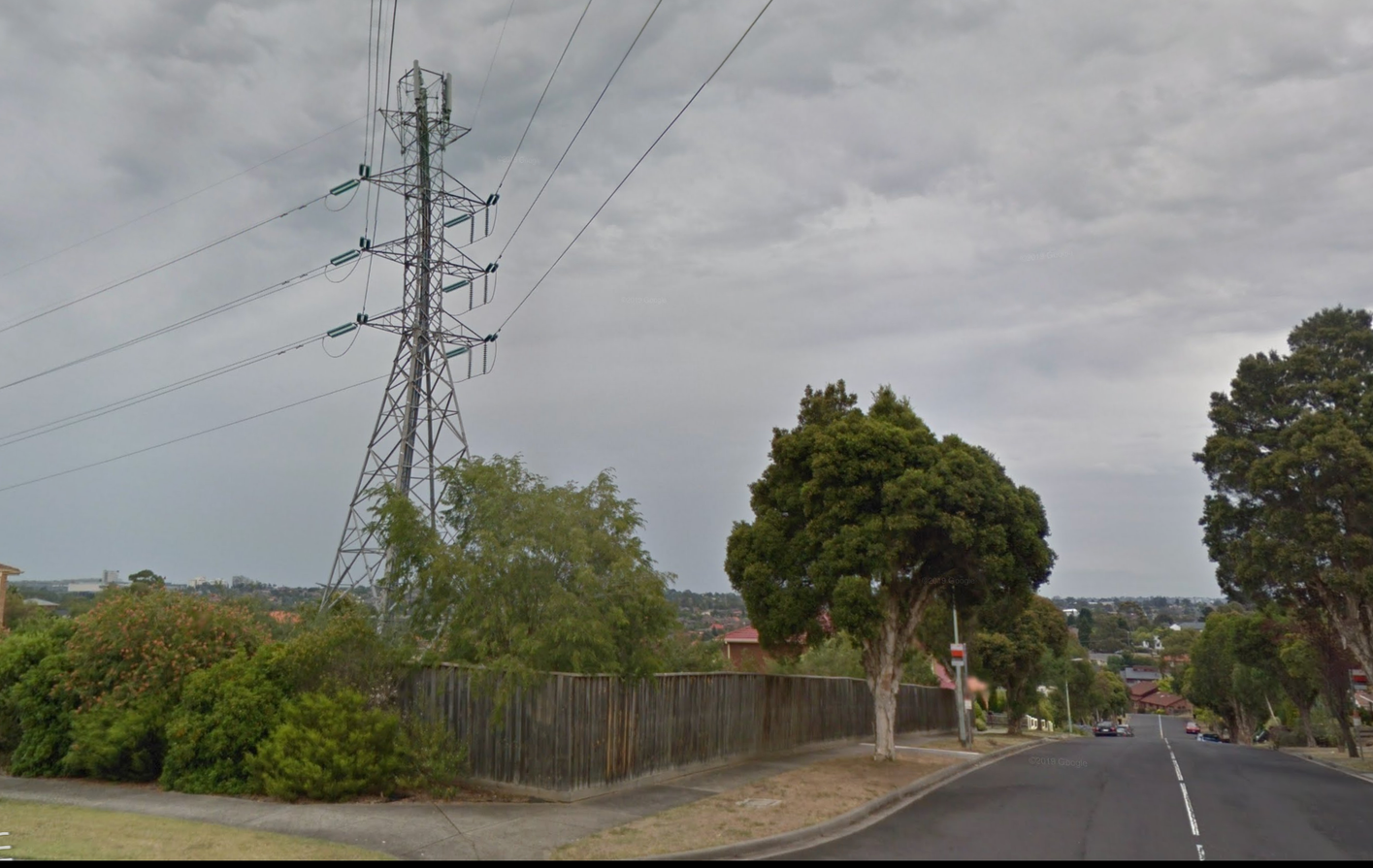
In December 1988, the ten-year-old girl kidnapped from Ringwood lived in a home positioned directly next to 50-metre-tall towers carrying 220kV transmission lines, with the Ringwood Terminal Station sitting just 500 metres away.
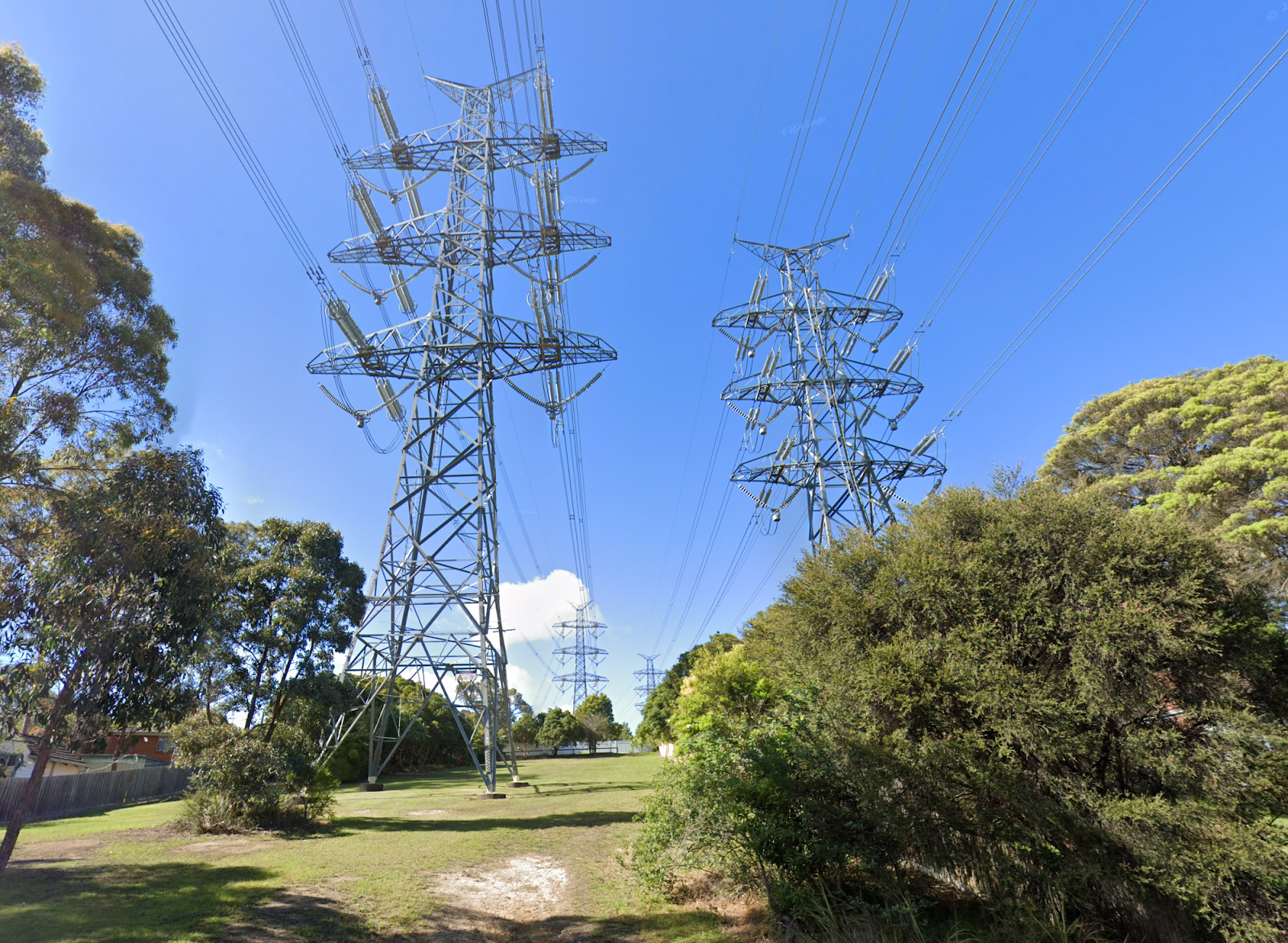
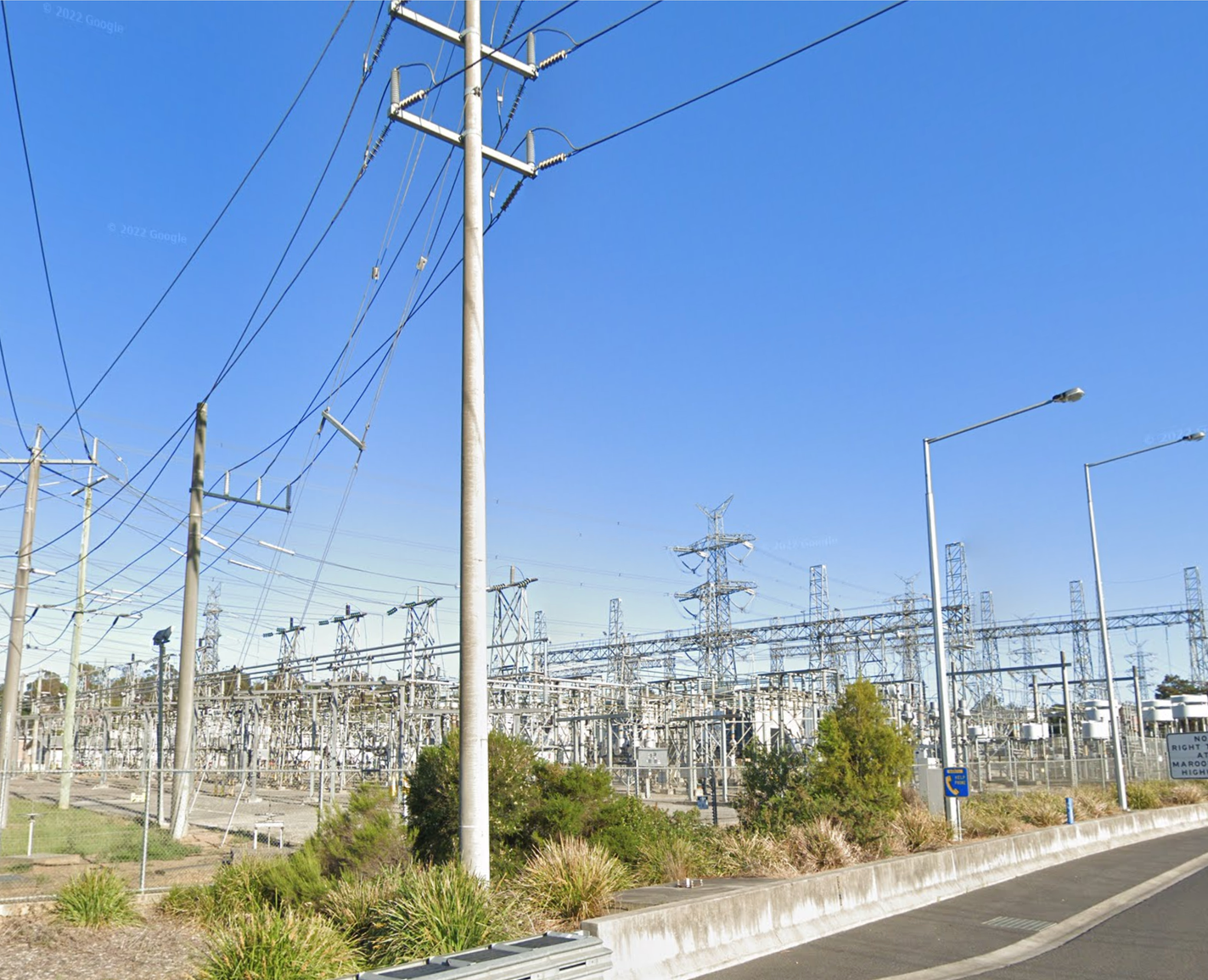
The electricity easement running behind the Ringwood victim's house (left). Image courtesy of Google Street View, 2025. The Ringwood Terminal Station (right). Image courtesy of Google Street View, 2018.
The Ringwood victim's release site was also likely dictated by this infrastructure. The police have never said where the offender stopped his car at Bayswater High School, but given the front of the school is directly opposite houses, that would be uncharacteristic. It's more likely he utilised one of two access options to the rear of the school.
To the north east was a 66kV sub-transmission line interacting with the nearby Bayswater Zone Substation, an asset supplied directly by the Ringwood Terminal Station right near the victim's home.
Alternatively, there was an access point on the western side of the school oval. While it lacked the high-voltage power lines above it, it afforded a view across the oval of the steel infrastructure on the opposite side. Given the FBI described this offender's primary intake as 'visual', this is not insignificant.
Interestingly, just three houses away from this access point is the later-childhood and pre-marital home of Nanette Ellis. She was murdered in her home in the nearby suburb of Boronia just four years prior to this abduction. Her murderer is yet to be identified.
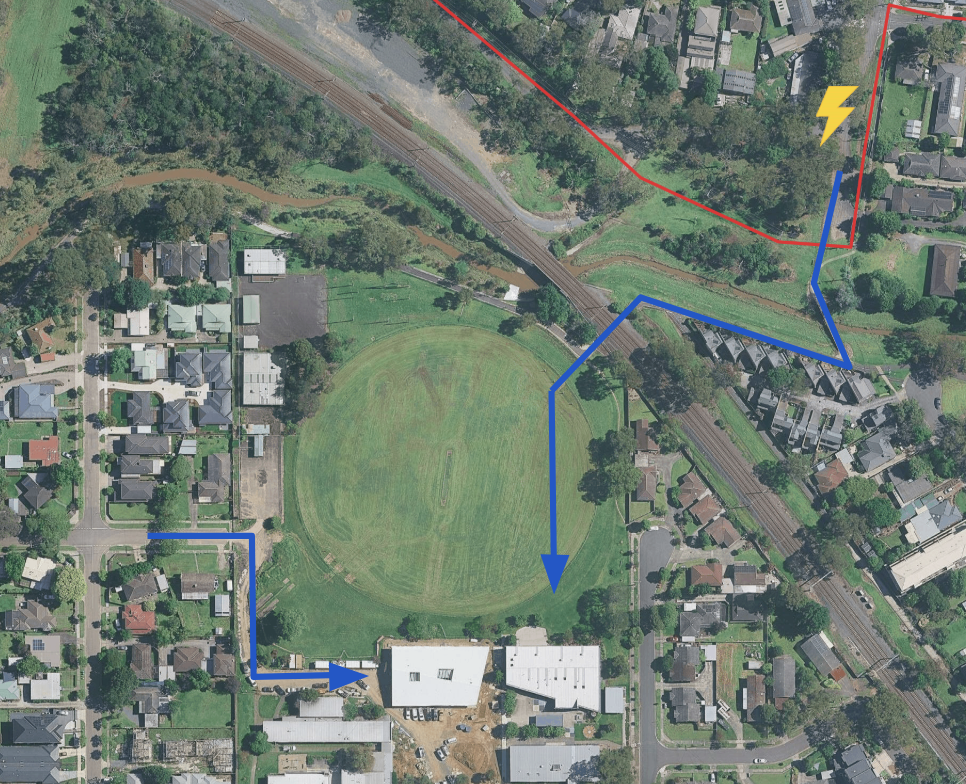
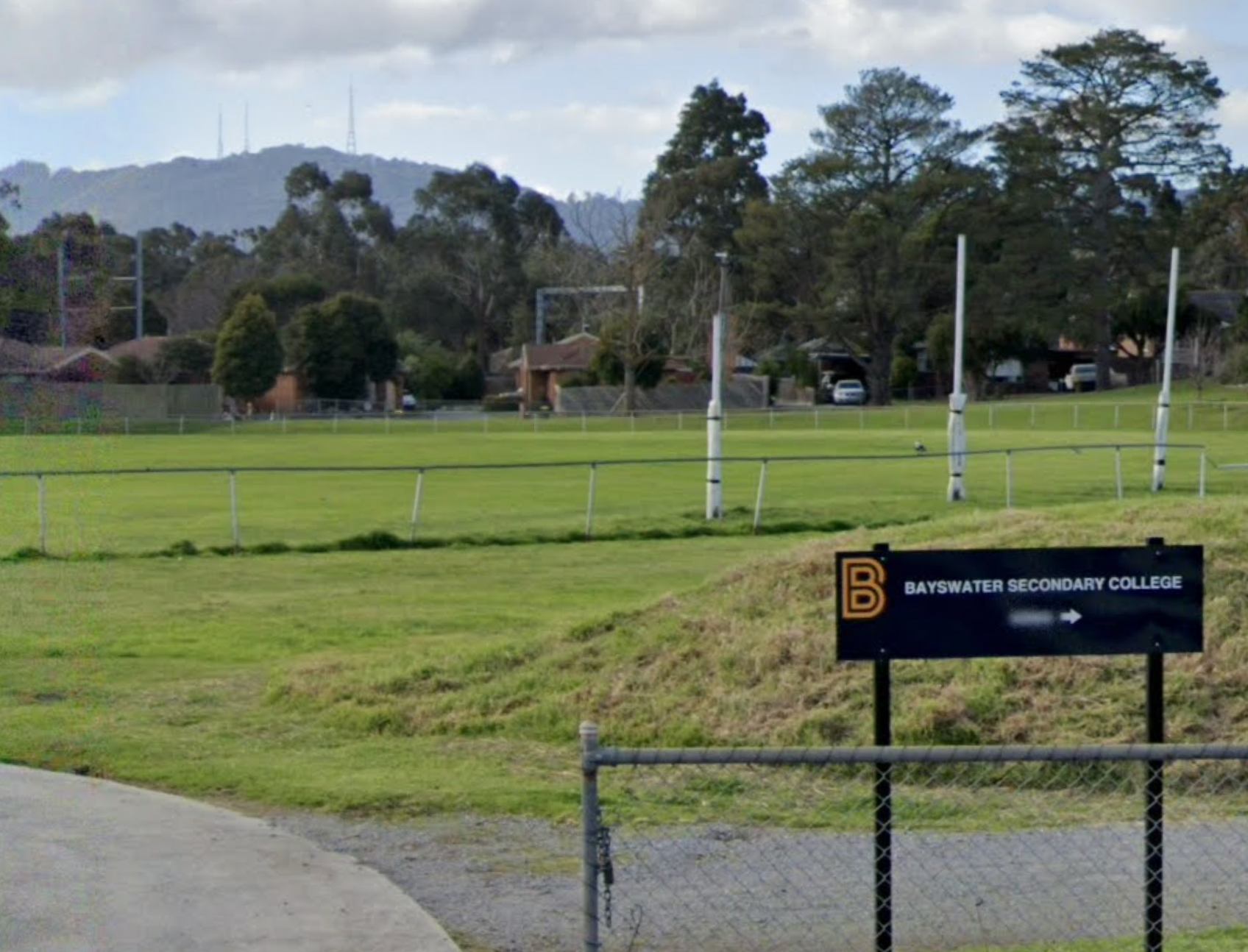
Bayswater Secondary College has rear access points. To the northeast, a vehicle could park underneath a high-voltage sub-transmission line (red). The access option on the west is the most accessible and less exposed, and has views of the imposing railway gantries across the oval. Map courtesy of Look Up and Live.
Canterbury, July 1990
The kidnapping location of this victim appears to be a geographical outlier. Canterbury sits in the center of the transmission ring, as far from industrial infrastructure as possible, and features a notable absence of 66kV sub-transmission lines feeding the local distribution network.
From an investigative historian's perspective, this absence is highly telling. Much like modern communities object to high-voltage towers today, Melbourne faced the same resistance a century ago. Political pressure to keep heavy infrastructure away from established, wealthy residential pockets is precisely how Canterbury ended up with exclusively low-voltage lines. This historical anomaly makes Mr Cruel's selection of this location particularly intriguing.
Yet, the offender did not entirely forego industrial infrastructure during the abduction phase. The attack involved stealing the family’s car to transport the victim a few streets away to a pre-positioned getaway vehicle. The area chosen for this transfer was a maze of railway lines, gantries, and a lower-voltage railway substation.
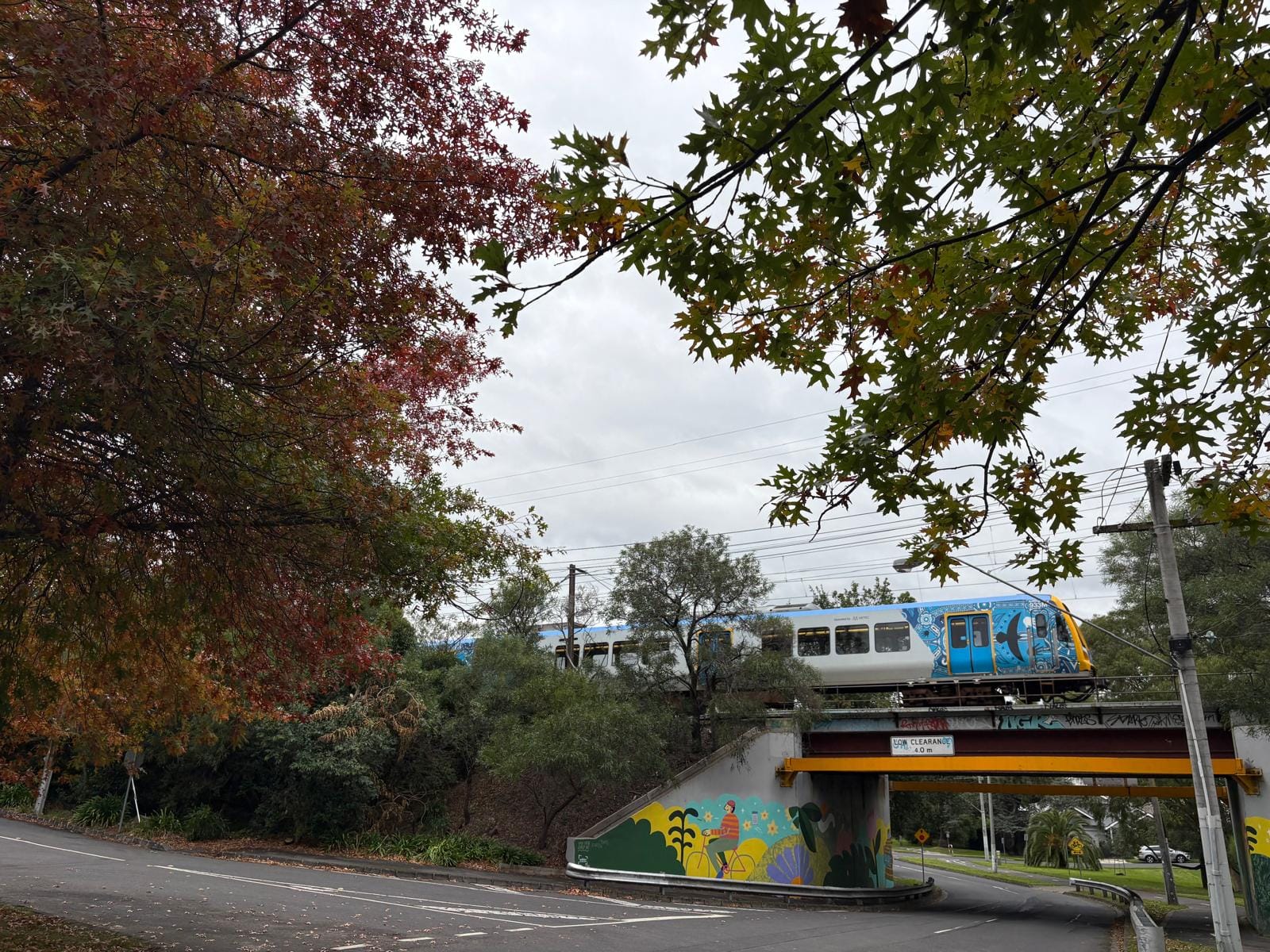
Any distinct lack of high-voltage power during the kidnapping was definitively corrected at the release site. The offender left the victim two suburbs away, directly outside the 66kV Kew Zone Substation. Situated on a quiet residential street illuminated by street lamps, the substation's facade is relatively unobtrusive; most passersby would barely notice it. What betrays its presence is its loud, low-frequency hum.
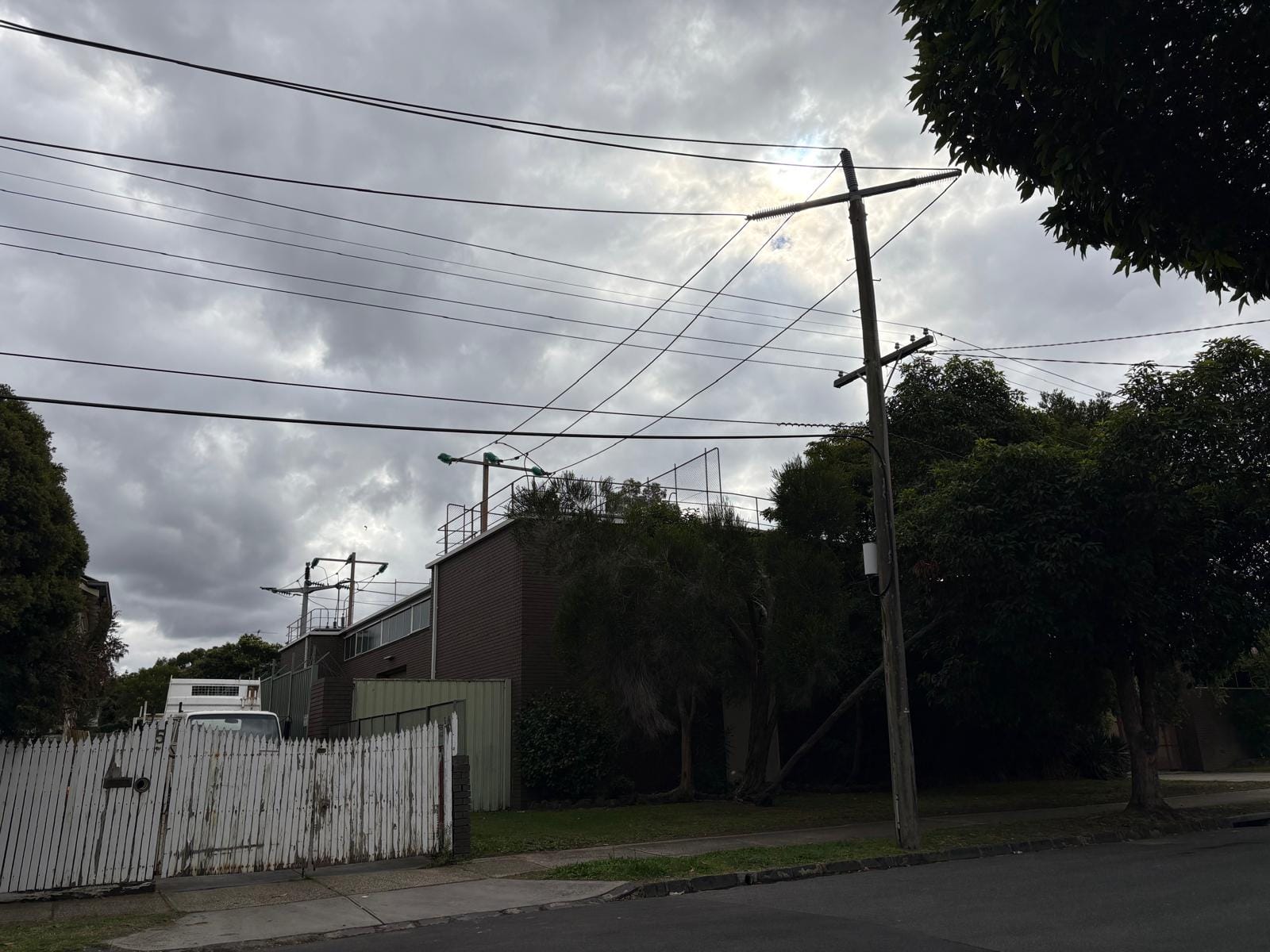
Choosing this site completely defies tactical logic for an offender otherwise defined as sophisticated, meticulous, and risk-averse. He bypassed an infinite number of safer, less conspicuous locations. In my assessment, using this risky release site was tactically irrational, indicating it was chosen purely to satisfy a profound psychological or paraphilic need.
Templestowe, April 1991
Like Ringwood, Templestowe is one of the few Melbourne suburbs home to a terminal station, which shoots a 220kV transmission line directly toward the Chan family home. Multiple lines also connect from here straight to the Ringwood Terminal Station, tracing the exact route that ran behind the Ringwood victim's backyard.
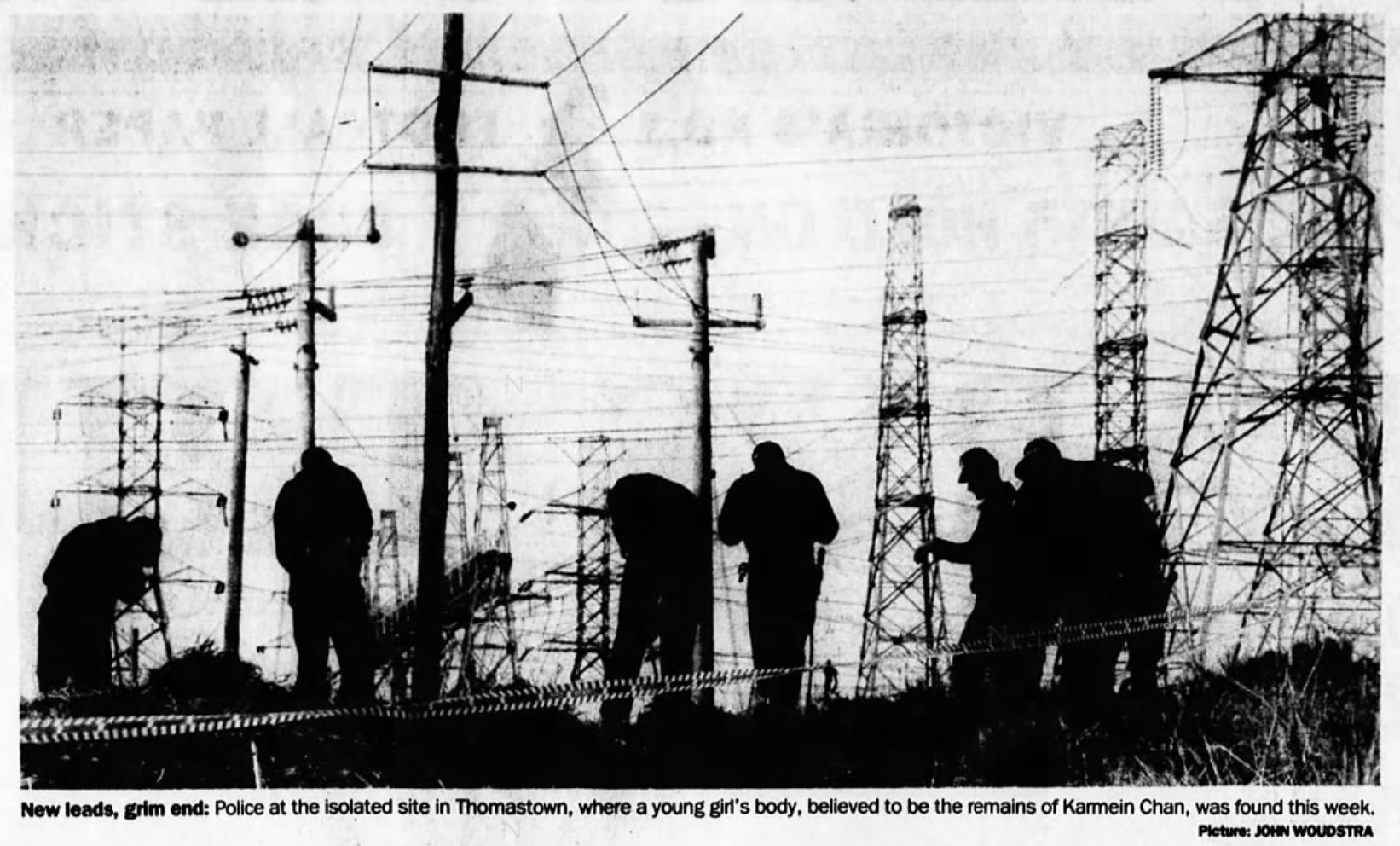
When Karmein Chan’s remains were discovered the following year, they were found in a shallow grave near the Thomastown Terminal Station. This station is one of the most significant in the state and physically dominates the landscape. Multiple high-voltage lines connect it back to the Templestowe Terminal Station, cutting straight through Lower Plenty - the suburb involved in the 1987 attack - on the way.
A Shared Signature: The Tynong North Serial Killer
Between May 1980 and October 1981, six girls and women were abducted from the streets of Melbourne in broad daylight. The perpetrator displayed exceptional surveillance and kidnapping skills, vanishing victims from busy thoroughfares without leaving a single witness or a shred of forensic evidence. Their remains would be recovered across four distinct locations over the subsequent three years.
The Mass Grave at Tynong North
In December 1980, the bodies of three victims - Catherine Headland, Anne-Marie Sargeant, and Bertha Miller - were discovered in a mass burial site at Tynong North. (Notably, Bertha Miller was the aunt of the sitting Police Commissioner, Mick Miller - a significant relationship I will examine in a future analysis).
Geographically, Tynong North sits directly between Melbourne and the Yallourn Coal Power Station, the state's primary energy powerhouse at the time. Generated power was transmitted to the capital via a high-voltage corridor constructed in the 1920s, cutting a linear path across the West Gippsland farming region. For approximately 80 kilometers, these high-voltage lines flank the Princes Highway, creating the longest stretch of road in Victoria with an uninterrupted view of this massive steel infrastructure.
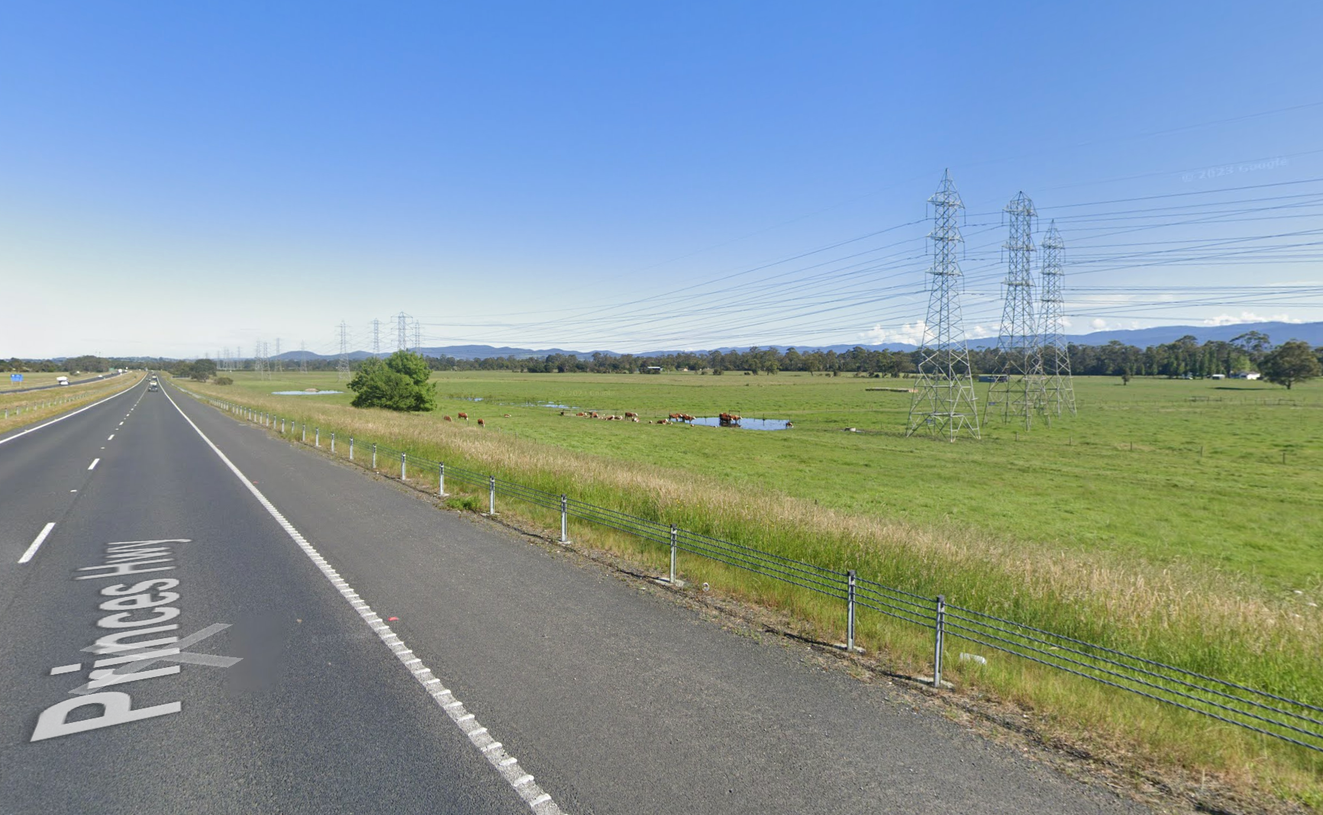
The mass burial site was located two kilometers north of the highway on a country road, situated on private property abutting Cannibal Creek. A 200m private track led to a recently decommissioned sand quarry that had filled with groundwater. While the regenerating bushland provided perfect concealment, the adjacent paddock offered an stark, uninterrupted view of the high-voltage power lines dominating a nearby subtle hill.
The Bodies Were Staged
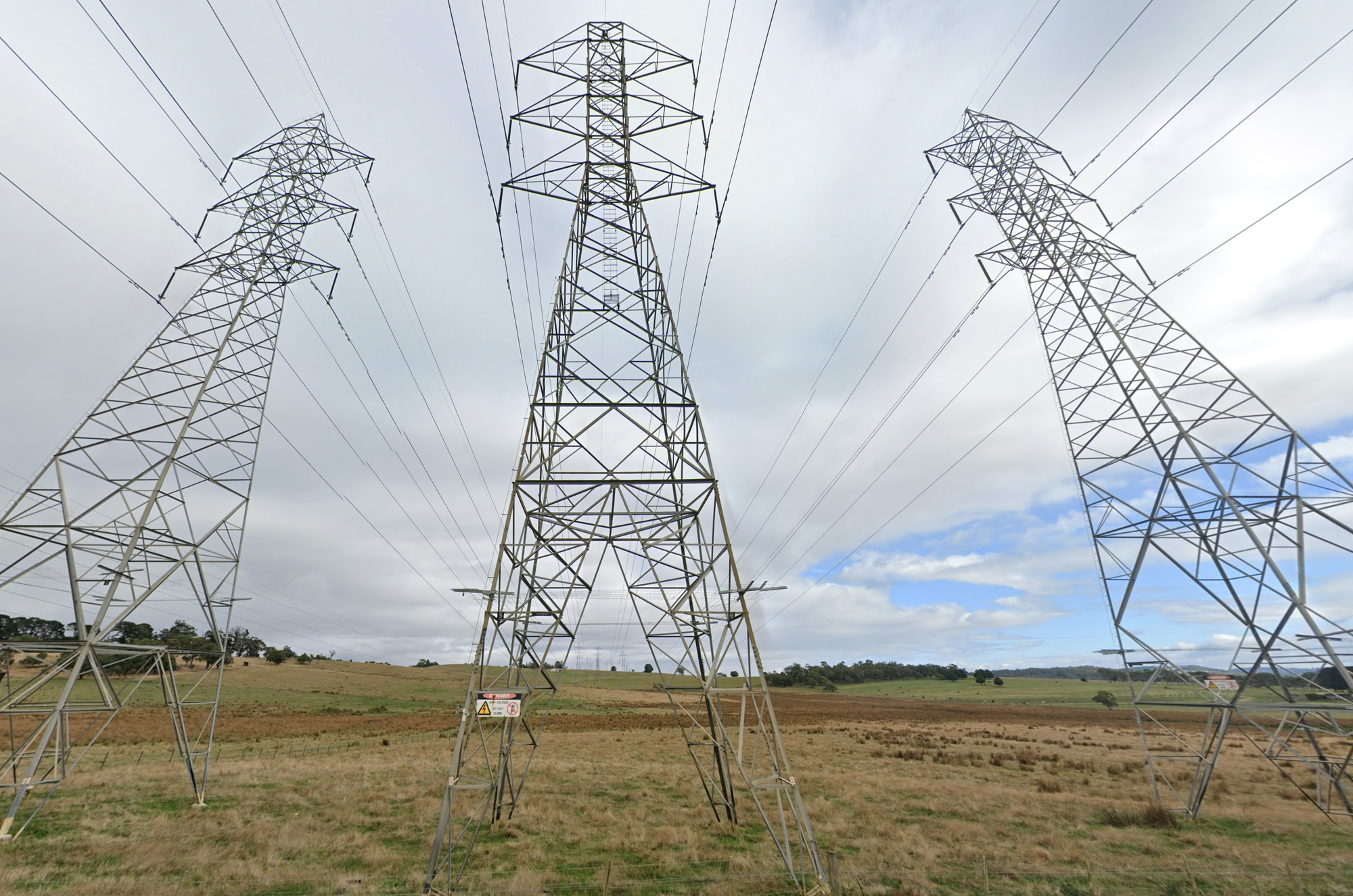
What police have failed to address, is that none these bodies were simply dumped. The three victims at Tynong North had been dragged to their final locations from a northerly positioned vehicle on a trajectory that logically should have left them in a north-south orientation (investigators determined 14-year-old Catherine Headland had been dragged headfirst). Instead, the offender expended critical time and effort to rotate each body 90 degrees into a strict east-west alignment. This intentional staging was not random; it placed the victims in perfect horizontal symmetry with the massive high-voltage lines dominating the elevated terrain in the background of the frame.
Further, two of the victims had arms intact enough to confirm a deliberate, ritualistic positioning: the right forearm and hand rested on the chest, while the left arm was extended along the side and bent at the elbow.
While these positions were meticulously documented and presented to the coroner, investigators failed to recognise them as forensic signatures. Police also overlooked the environmental significance of the site, with reports of these crimes repeatedly mentioning the nearby quarries, but failing to note the massive high-voltage infrastructure framing the backdrop of this morbid crime scene.
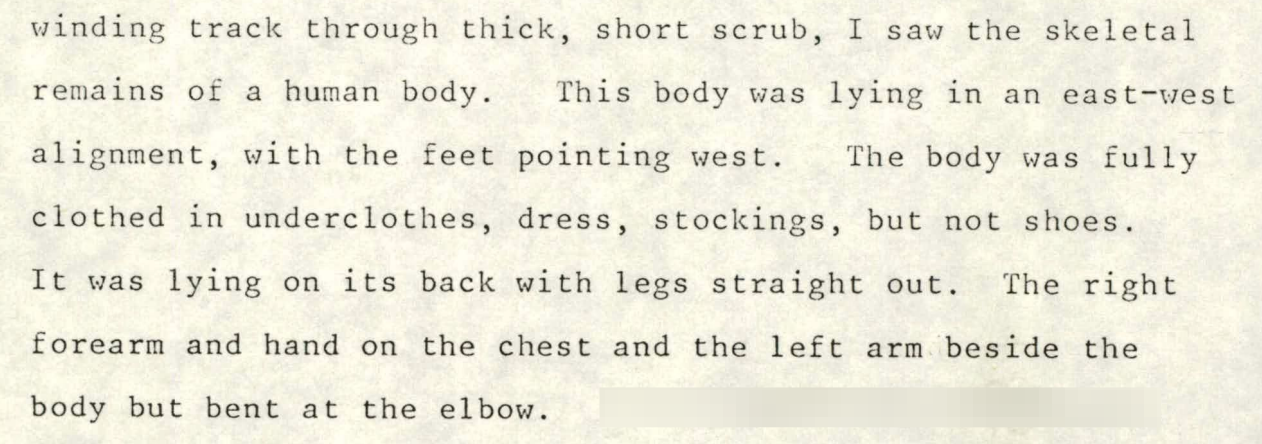
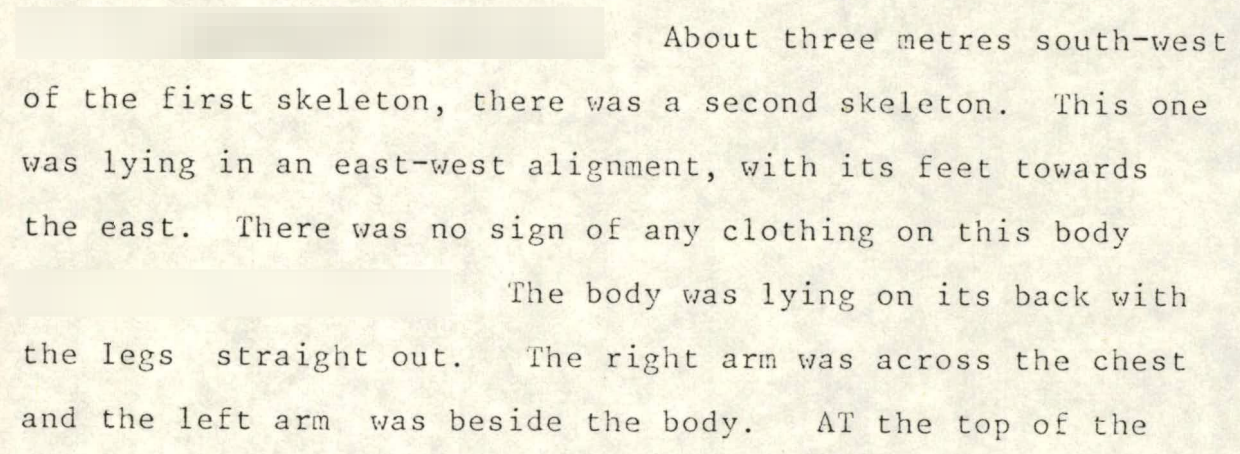
Coronial inquest transcript from the witness that uncovered the mss grave t Tynong North in December 1980. Here they are describing what they saw when they discovered Bertha Miller (left), and Anne-Marie Sargent (right). Public Records Office Victoria, VPRS 24/P0004, 1985/993
The Remaining Tynong North and Frankson Victims
Two weeks before the discovery of the mass grave, 34-year-old Narumol Stephenson disappeared from Brunswick, 80 kilometers away. Her remains, recovered in 1983, were found in a small public rest area just past the Tynong North turn-off to the mass grave. Nestled within thick natural scrub, this site was also positioned immediately south of the high-voltage power lines. It seems likely the offender had planned on using the same mass burial site as he had the previous occasions, but something scared him off. It's also highly possible his access to this country road was blocked off from roadworks associated with the Princes Highway duplication project taking place in the immediate vicinity at the time.
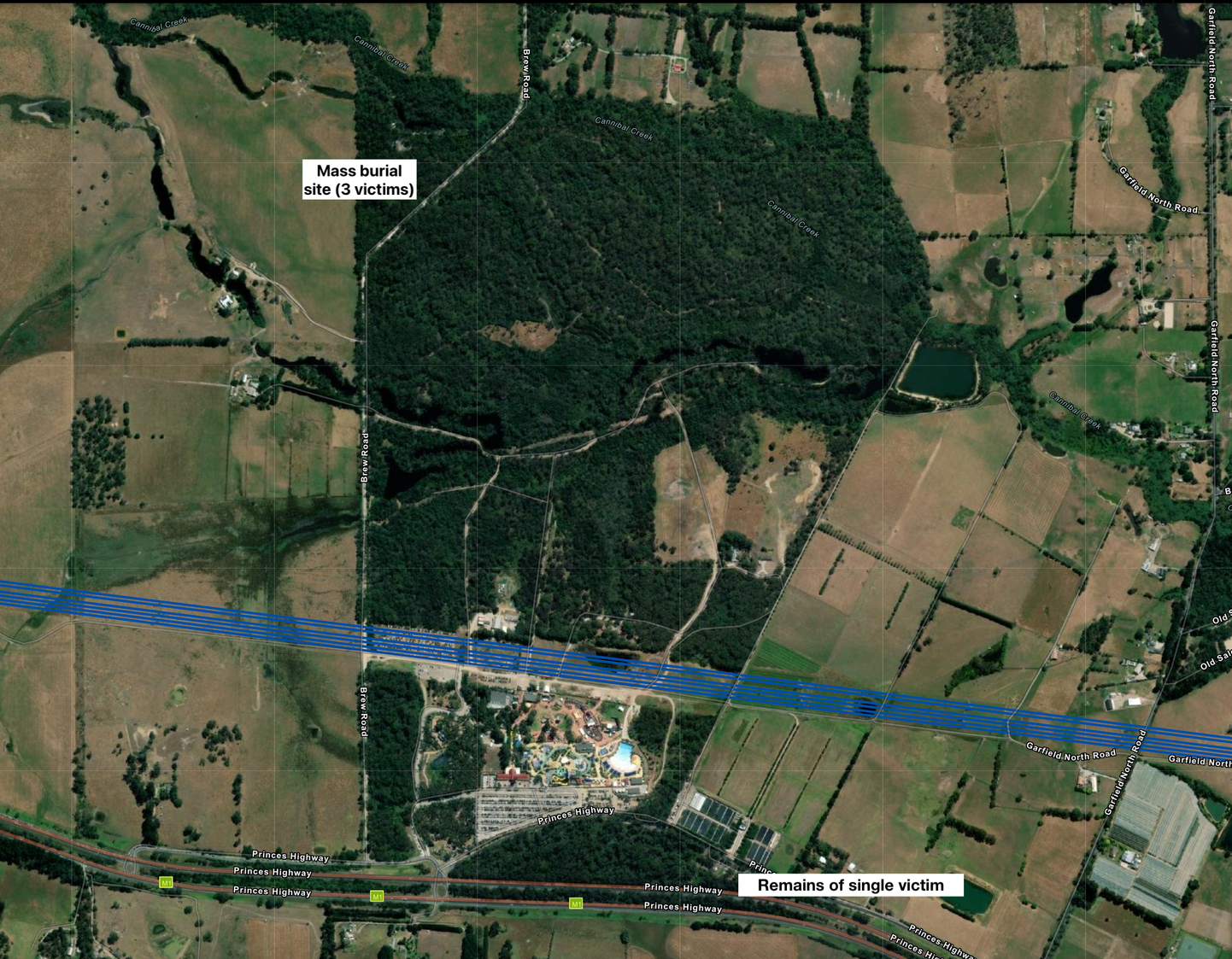
Transporting a victim 80km from inner-city Brunswick to the rural fringe of Tynong North with a body in the vehicle is an immense tactical risk. A rational offender seeks immediate concealment to evade detection. Yet, this individual bypassed hundreds of viable, low-risk disposal sites along the Princes Highway corridor. He was clearly driven by a powerful compulsion, choosing to risk capture just to achieve psychological completion within the shadow of that specific high-voltage infrastructure.
Bookending this series were two abductions from the southern bayside area of Frankston. The first victim, 59-year-old Allison Rooke, was discovered in a heavily treed section of the proposed Mornington Peninsula Link freeway reserve. The location afforded an unusually clear view down the reserve's long axis adjacent to McClelland Drive, which was dominated by a prominent 66kV sub-transmission line extending toward the the now decommissioned Frankston Terminal Station. The sixth victim, 55-year-old Joy Summers, was discovered buried underneath this exact same 66kV sub-transmission line where it turned onto Skye Road.
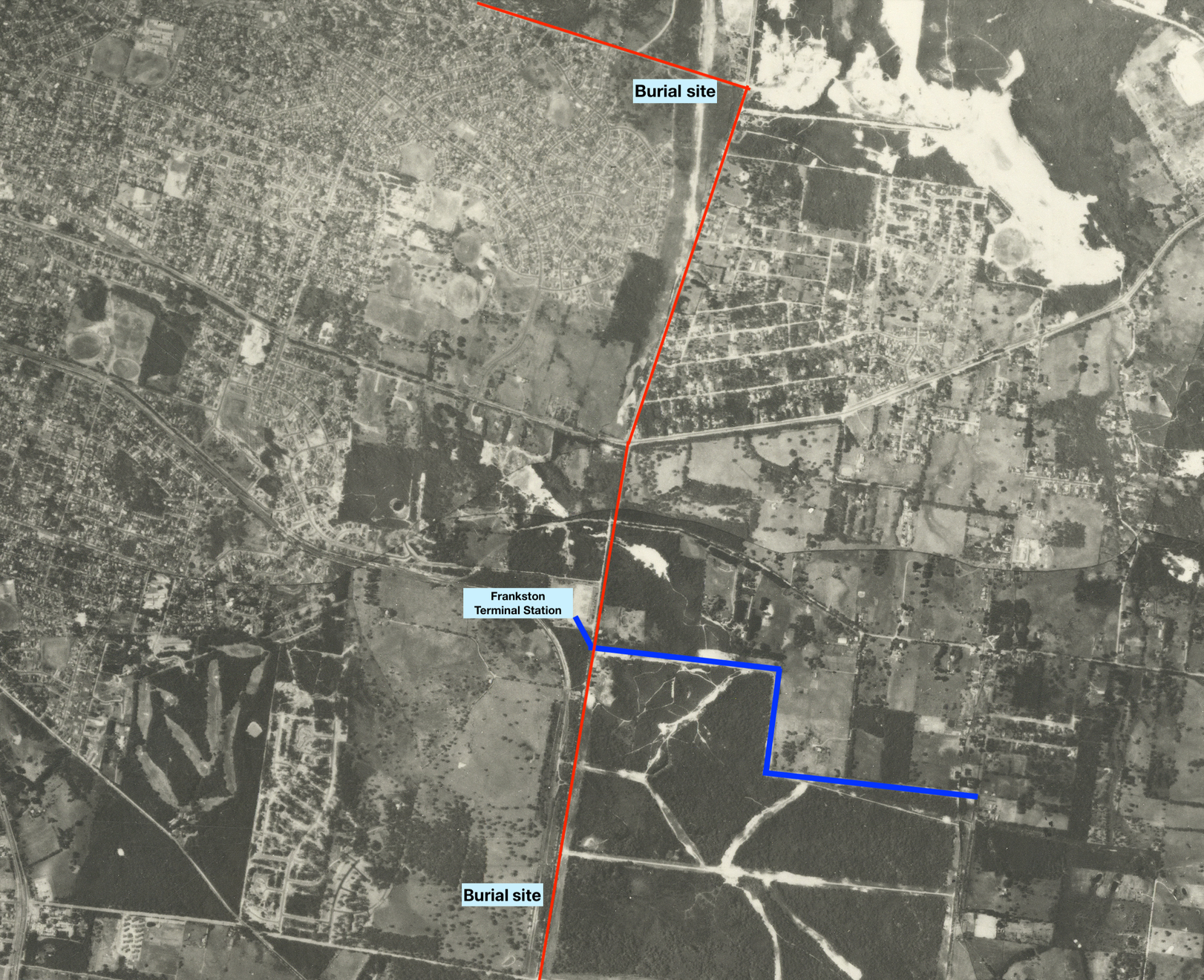
Correlation and Victimology
There is a 100 percent correlation between high-voltage power infrastructure and the disposal sites of these six victims. We see this identical environmental pattern emerge a decade later in the Mr Cruel series. While victims get a say in where they live and travel - meaning abduction sites and homes may not always align with infrastructure - an offender exercises total control over where they dispose of a body. Every disposal choice made by both the Tynong North serial killer and Mr Cruel led directly back to high-voltage power.
This environmental attraction extends deep into the victims' backgrounds:
- Allison Rooke and Joy Summers lived in Frankston North, roughly 500 meters from the 66kV lines where they were eventually found.
- Bertha Miller vanished while walking to a tram stop positioned directly underneath two 220kV lines in Glen Iris.
- Catherine Headland lived 700 meters from the same three 220kV lines that traversed her burial site; her home backed onto parkland with an unobstructed view of the towers.
- Anne-Marie Sargeant was staying in Cranbourne at the time of her disappearance, with the house having an unobstructed view of a prominent easement carrying two 220kV lines 500 metres away.
- Narumol Stephenson disappeared from a location just 200m from a 66kV line running along a disused railway track.
The 1975 Precursor: Margaret Elliott
This signature was active as early as 1975 with the murder of 26-year-old Margaret Elliott in Box Hill. The day after her disappearance, Margaret’s beaten body was recovered from Gardiners Creek, directly beneath high-voltage power lines and almost at the exact location where Bertha Miller would vanish five years later.
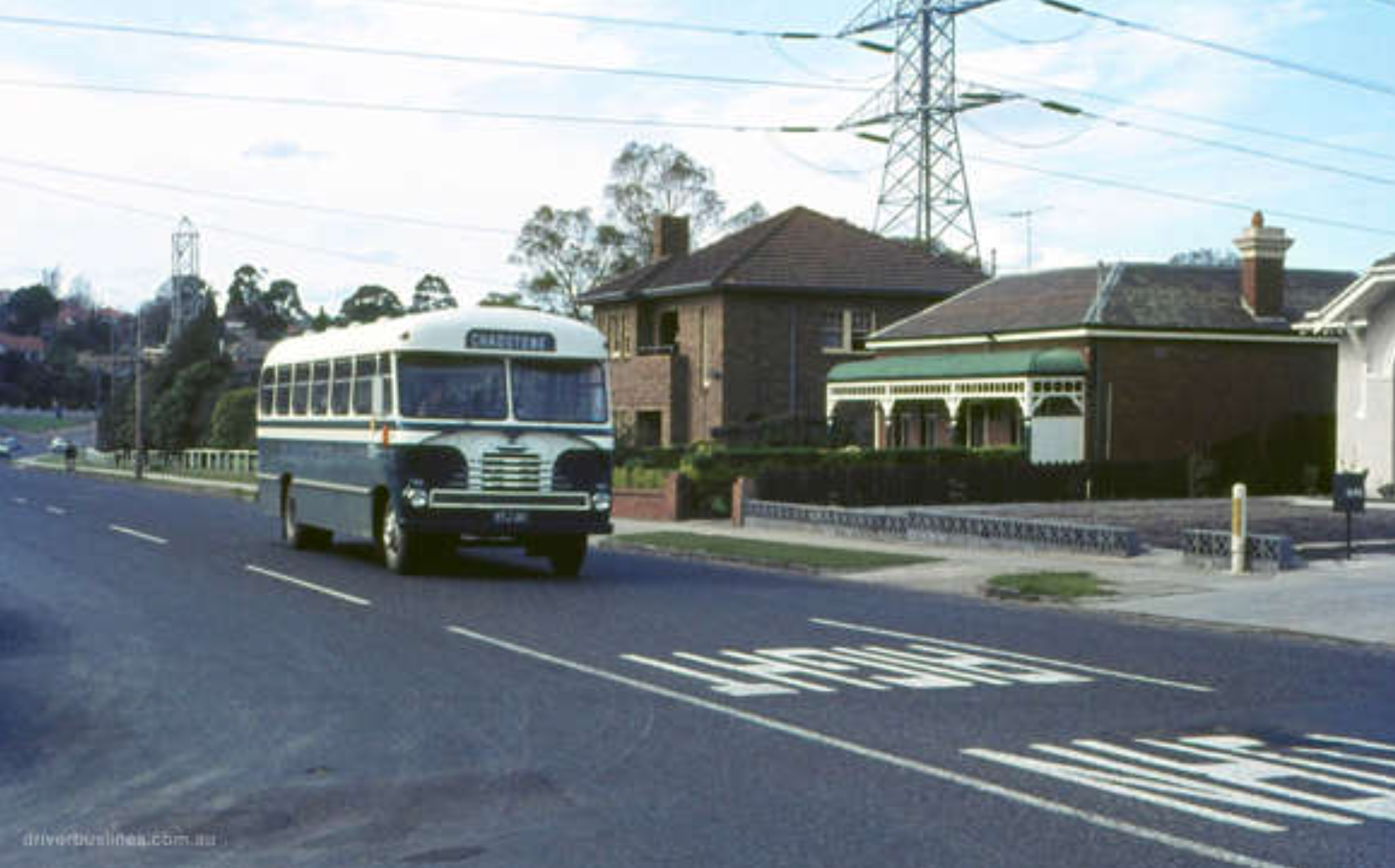
Intriguingly, Margaret also lived in Berwick, around the corner from Catherine Headland’s future address, with both of their homes sharing a direct line of sight to the exact same 220kV transmission lines that travelled through the Tynong North disposal site. The fact that the Homicide Squad briefly reopened Elliott’s case in December 1980 suggests they recognised these localised overlaps.
The "Tower Maniac" Signature and the Forensic Bridge
In the annals of criminal history, very few serial offenders display a ritualistic or fantasy-driven association with power lines. The closest global parallel is Roneys Fon Firmino Gomes, a Brazilian serial killer convicted of six murders in 2015. Nicknamed the "Tower Maniac," Gomes drove miles out of his way to dump his victims directly beneath high-voltage towers, a signature psychologists traced to formative childhood trauma fused with violence.
This signature is exceptionally rare. Outside of Victoria, there is no equivalent cluster of high-voltage adjacent murders. Within Victoria, this environmental correlation appears exclusively on the unsolved cold-case list. If these disposal sites were merely random, opportunistic choices, a baseline proportion of them would have been solved by now. High-voltage infrastructure does not, in itself, make a homicide harder to investigate and solve. The common denominator isn't the geography, it is an offender who is uniquely elusive.
Accepting the prevailing narrative requires believing that Victoria was concurrently plagued by multiple, unrelated "Tower Maniacs" throughout the 1970s and 1980s, who all independently possessed an elite capacity to evade detection.
Documented facts of the state reject that conclusion. There are approximately 6,500 kilometres of high-voltage transmission lines across Victoria, with typical easements ranging from 40 to 100 metres wide. Across Victoria's 22.8 million hectares, these specific corridors occupy less than 0.1% of the total land area.
The probability of two separate, unrelated offenders independently selecting multiple, highly specific victim disposal zones around a footprint that covers less than one-thousandth of the state defies geographical chance.
This is not a case of evidence needing a re-examination, because that would imply it was ever examined in the first place. Because the system categorised Mr Cruel exclusively as a non-lethal sex offender, his signature was never laid side-by-side with the Tynong North cases. The statistics do not support this being a coincidence, and what we see here is far more likely to be the work of a single, continuous psychological profile that remained entirely fixed while the modus operandi evolved.
Enjoyed this chapter? The Disclosure Archive is an independent research project. Sign up for free to receive future chapter releases and updates.
